
Reduce uncertainty in PFAS and AFFF projects
PFAS investigations often begin with uncertainty.
You may be assessing a potentially contaminated site, investigating the impact of historical AFFF use or supporting a client through increasingly complex regulatory requirements. The challenge is not simply generating analytical results. The challenge is knowing that you're collecting the right evidence to support the decisions that follow.
SGS helps environmental consultants reduce uncertainty through reliable PFAS analysis, specialist expertise and analytical approaches tailored to the needs of each project.
From uncertainty to informed action
The goal of a PFAS investigation is not simply to produce data. It's to generate the evidence needed to understand risks, support recommendations and make decisions with confidence.
Whether you're investigating potential AFFF contamination, assessing environmental liabilities or supporting remediation activities, SGS can help you build a stronger foundation for every decision that follows.
Build confidence in your project decisions
PFAS investigations often raise more questions than answers. Understanding contamination sources, selecting the right analytical approach and determining the next steps can all influence project outcomes.
SGS helps environmental consultants reduce uncertainty with reliable evidence and specialist support throughout the investigation process.
Gain a clearer understanding of PFAS contamination, potential AFFF impacts and site-specific challenges.
Understand the full picture
Support project decisions with accredited PFAS and AFFF analytical services.
Generate reliable evidence
Turn results into actionable insight
Use robust data and technical guidance to confidently determine the next steps for your project.
Uncertainty can influence every stage of a PFAS project
PFAS investigations rarely follow a predictable path. Questions about contamination sources, precursor compounds, analytical scope and future liabilities can all affect project outcomes. Decisions made early in the investigation often influence everything that comes after, from additional sampling and risk assessment to remediation and stakeholder communication.
Without sufficient evidence, consultants may face difficult questions from clients, regulators and project stakeholders. That's why building confidence from the start is essential.
Why SGS
Understand PFAS risks related firefighting foams
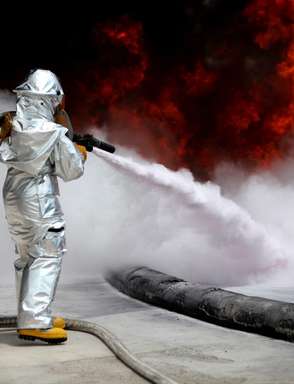
PFAS-containing firefighting foams can create long-term environmental and operational challenges for industrial sites. Download our AFFF PFAS Guide to learn more about contamination pathways, environmental risks associated with firefighting foams, evolving regulatory developments and key considerations when managing the transition away from PFAS-containing products.

Discuss your PFAS project with an expert
Whether you're investigating contamination, defining the analytical scope or managing environmental responsibility, SGS can help you make decisions you can defend.

Trusted proof and peace of mind
Over a century of inspection, testing and certification expertise.

When you need to be sure.
Robust technical support for complex environmental projects.

Local expertise. Global strength.
International PFAS knowledge with strong local support.
Managing your AFFF transition
Analyzing the firefighting foam in the current systems and mapping storages
For environmental consultants supporting companies with transitioning from PFAS-containing firefighting foams to fluorine-free alternatives, the EU REACH restrictions coming into effect on 23 October 2026, raise many challenges:
Due to the EU REACH regulations becoming stricter, the role of consultants is increasingly shifting from environmental research to risk management and strategic planning.
Therefore, complex PFAS projects such as AFFF transitions, require a robust analytical approach and reliable data every step of the way. We provide you with the data you need, reduce analytical uncertainties and help you move forward with confidence.

Testing if current systems are compatible with fluorine-free foams.
Verifying the concentration of PFAS residue after decontamination activities.